Tag: Patient Education

Clear, practical explanations of common symptoms, causes, and next steps—so you understand what’s going on and what typically helps.

  • Top of Foot Pain in Logansport, IN: 6 Common Causes (and When to Worry)

    FOOT & ANKLE PAIN · PATIENT EDUCATION · LOGANSPORT, IN

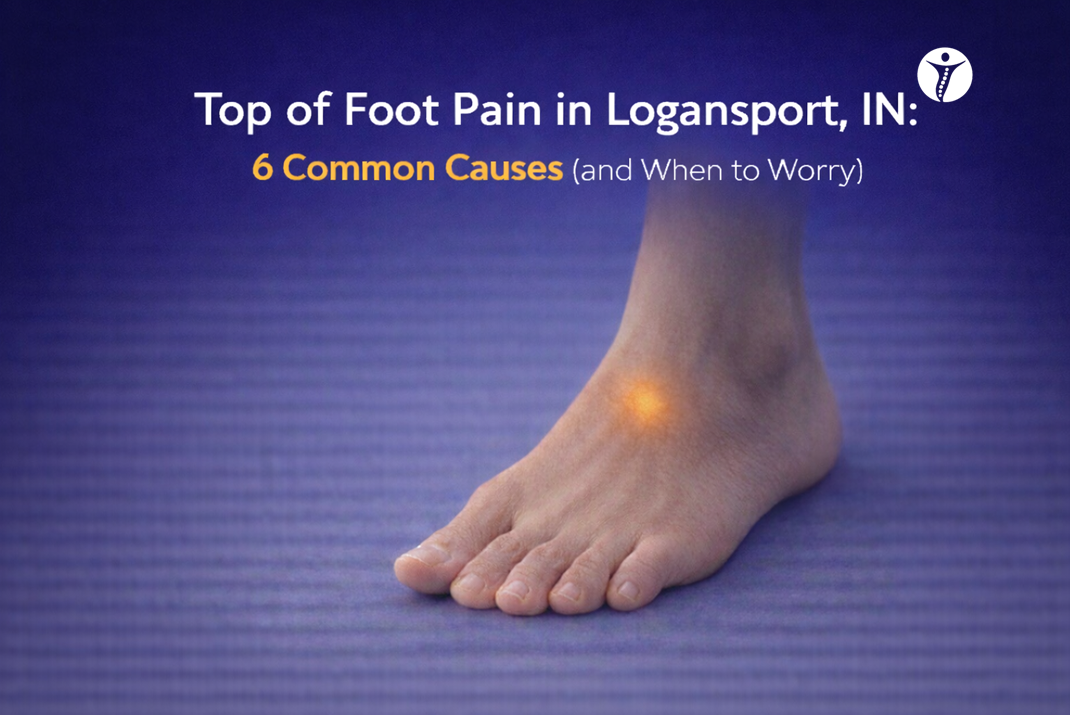
    Top of Foot Pain in Logansport, IN: 6 Common Causes (and When to Worry)

    Match the plan to the pattern—don’t guess.

    Tendon + shoe pressure patterns are most common
    Worsening daily pain after a volume spike = get checked
    Small “quick wins” (re-lacing + shoe tweaks) often help fast

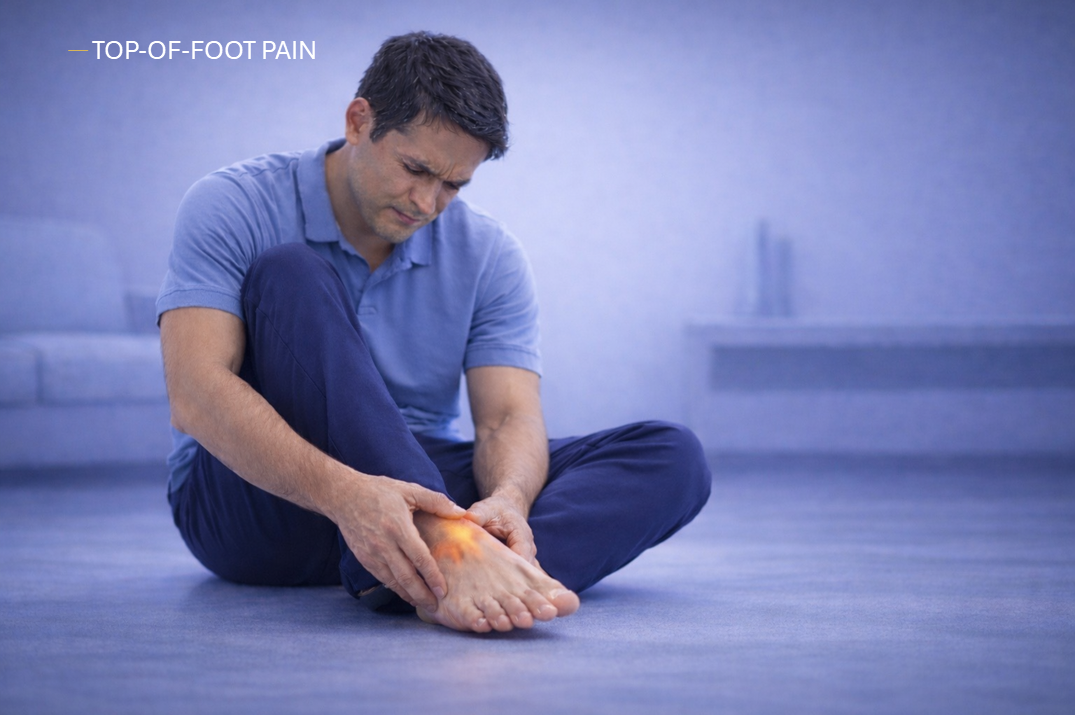
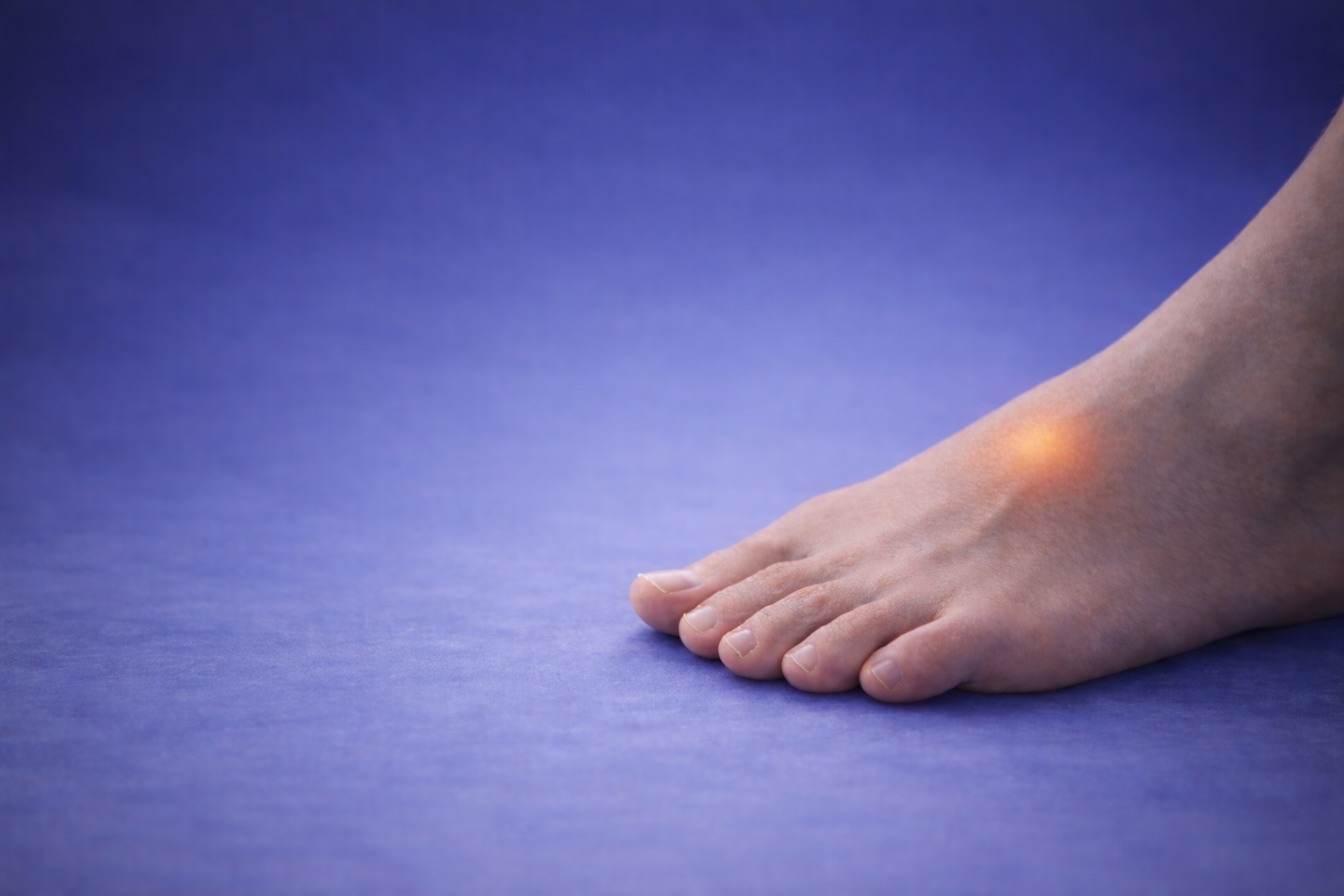
    Pain on the top of your foot can come from irritated tendons, shoe or lace compression, joint irritation, nerve sensitivity, or (less commonly) a stress reaction in the bones. The fastest path to improvement is identifying the most likely driver and choosing the simplest next step. If you’re dealing with recurring foot flare-ups, start with our Foot & Ankle Pain Treatment page.

    • Best “first step” depends on whether pain is tendon, compression, joint, nerve, or bone-driven
    • Early stress reactions heal faster when you catch them early
    • We keep plans conservative and progress-based

    Educational only. Not medical advice.

    Start Here: The “Big 4” Clues That Narrow Top-of-Foot Pain Fast

    These clues usually point to the most likely driver in under a minute.

    1) Where exactly does it hurt?

    Pain that follows a rope-like line often points to tendon irritation. Pain that’s one pinpoint spot over a bone (especially after a volume spike) can suggest a stress reaction.

    2) What triggers it most?

    Tight shoes/laces, walking uphill, running, stairs, or lifting your toes can narrow the driver quickly. If footwear changes strongly affect pain, think compression or tendon overload.

    3) How is it behaving day-to-day?

    If pain is worsening daily (especially after a recent activity increase), don’t “push through.” Get checked sooner to reduce downtime.

    4) Are there nerve symptoms?

    Burning, tingling, or “zapping” sensations can suggest nerve irritation from compression or upstream drivers. If you also have leg symptoms, review Sciatica Treatment patterns too.

    6 Common Causes of Top-of-Foot Pain (and What Usually Helps)

    Most cases fit one of these patterns. Pick the simplest next step that matches yours.

    1) Extensor tendon irritation (tendinopathy)

    Your extensor tendons help lift your toes and control your foot during walking/running. Irritation often follows hills, stair volume, faster walking, returning to running, or shoes that press on top of the foot.

    • Big clue: tenderness follows a tendon “line,” pain spikes with toe lifting or uphill walking
    • Usually helps: loosen laces, reduce hills/sprints briefly, progressive strengthening as it calms
    • Read next: Running Pain Checklist

    2) Shoe/lace pressure (compression)

    Tight laces and stiff tongues can compress tendons and superficial nerves on top of the foot. This often feels sharper with direct pressure and improves when barefoot or in softer footwear.

    • Big clue: certain shoes consistently trigger it; pain improves quickly with lace changes
    • Usually helps: “window lacing” (skip an eyelet over sore spot), softer/wider shoe model
    • Related: Custom Orthotics vs OTC Inserts

    3) Stress reaction / stress fracture (often after a volume spike)

    Stress injuries happen when bone remodeling can’t keep up with load—commonly after sudden increases in walking/running, return-to-sport after time off, surface changes, or a new job with lots of steps.

    • Big clue: one focal bony spot + pain with loading + worsening day-to-day
    • Usually helps: early evaluation, protect the area, gradual return plan when symptoms allow
    • When to worry: see the red flags section below

    4) Midfoot joint irritation (sprain/overload)

    The midfoot joints can get irritated after uneven ground, long standing, footwear changes, or minor twists you barely remember. Pain may feel deeper than tendon pain and flare during push-off.

    • Big clue: deep midfoot ache with push-off; stiffness + soreness after long days
    • Usually helps: short-term unloading, restore ankle/foot mobility and strength

    5) Nerve irritation (local entrapment / sensitivity)

    Nerve-related symptoms often feel like burning, tingling, zapping, or “electric” discomfort. Compression (shoes/laces) can trigger it, but so can upstream drivers from the ankle/calf.

    • Big clue: tingling/burning + sensitivity to pressure from shoes
    • Usually helps: reduce compression, calm sensitivity, address mechanics if recurring

    6) Arthritis / dorsal “bone spur” irritation

    More common with morning stiffness, reduced motion, or pain that flares when rigid shoes press on the same spot. The goal is reducing irritation and improving capacity—not chasing perfect imaging.

    • Big clue: stiffness + pressure-sensitive bump area + symptoms with rigid footwear
    • Usually helps: footwear tweaks, mobility/strength, sometimes support if mechanics drive overload
    • Related: Arthritis Joint Pain Patterns

    Want a Clear Answer (Not Guesswork)?

    We’ll match your symptoms to the most likely driver and build a conservative plan that fits your work, walking, and training goals. If mechanics are part of the problem, we may discuss Custom Orthotics.

    When to Worry (Red Flags)

    If any of these are true, get checked promptly.

    • Inability to bear weight or a severe limp
    • Major swelling, bruising, deformity, or a clear injury mechanism
    • Pain that is worsening day-to-day (especially after a recent activity spike)
    • Escalating night pain, fever, or unexplained swelling
    • Numbness/tingling or burning that’s spreading

    Not sure if it’s urgent? Start with Contact & Location and we’ll guide you.

    Top of Foot Pain FAQs

    Quick answers (and “when to worry”).

    What is the most common cause of pain on top of the foot?
    Extensor tendon irritation and shoe/lace pressure are most common. Pain with toe lifting, uphill walking, or tight footwear are strong clues.
    How do I tell tendon pain from a stress fracture?
    Tendon pain often changes with motion and may warm up as you move. Stress injuries tend to hurt with loading, feel very focal over one spot, and can worsen day-to-day—especially after a sudden activity increase.
    Can tight shoes or laces really cause top-of-foot pain?
    Yes. Tight laces or stiff tongues can compress tendons and nerves on top of the foot. Try “window lacing” (skip an eyelet over the sore spot) and/or a softer/wider shoe model.
    When should I worry about top-of-foot pain?
    Get checked promptly if you can’t bear weight, have major swelling/bruising, pain that’s worsening daily, escalating night pain, fever, spreading numbness/tingling, or pain after a clear injury.
    What typically helps top-of-foot tendon pain?
    Short-term load reduction, shoe and lace modifications, and progressive strengthening with a gradual return plan. If symptoms recur, evaluate foot mechanics and walking/running volume.
    Do orthotics help top-of-foot pain?
    Sometimes—especially if mechanics and load distribution are part of the driver. If the main cause is shoe pressure or a suspected stress injury, orthotics usually aren’t the first step.

  • Orthotics Break-In Schedule: What’s Normal, What’s Not (and When to Call Us)

    CUSTOM ORTHOTICS · PATIENT EDUCATION · LOGANSPORT, IN

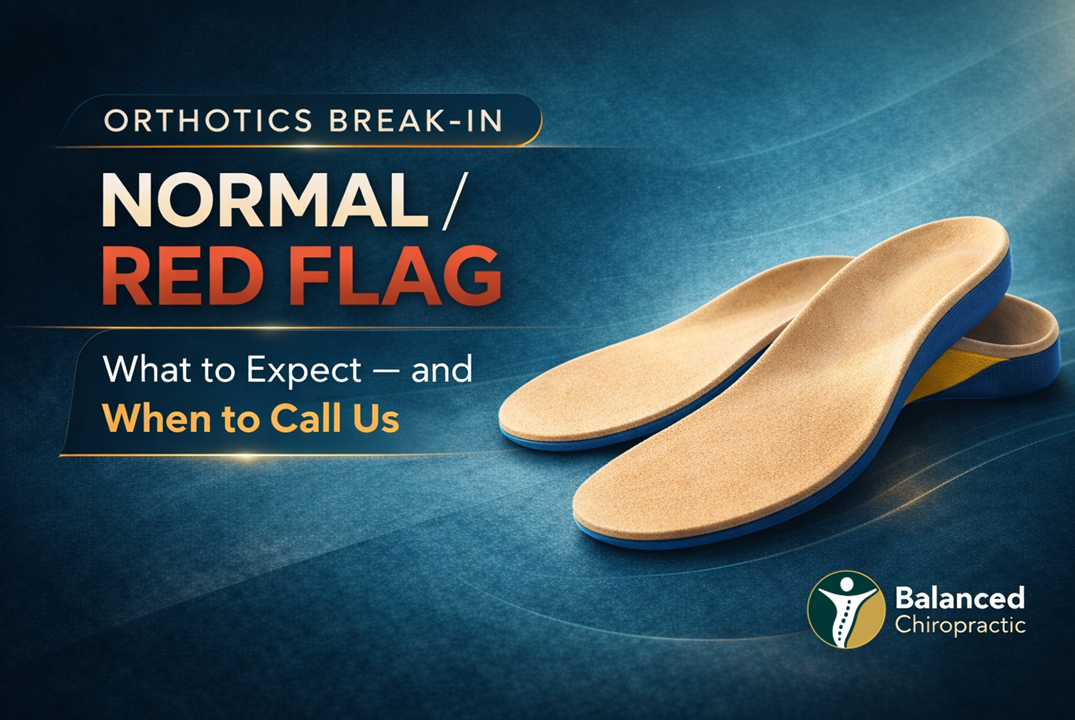
    Orthotics Break-In Schedule: What’s Normal, What’s Not (and When to Call Us)

    A simple plan to adapt comfortably—without flaring your feet, knees, hips, or back.

    Start low and progress gradually (all-day wear too soon is the #1 mistake)
    Mild “arch awareness” is normal—sharp pain, numbness, or blistering isn’t
    If you can’t progress by day 7–10, we should re-check fit and plan

    New orthotics change how force moves through your feet—and that can affect your calves, knees, hips, and low back. The goal is a smooth adaptation, not a “push through it” approach. If you’re getting orthotics for recurring foot pain, start with Custom Orthotics and our Foot & Ankle Pain page for the big-picture plan.

    • Most people adapt over 1–3 weeks when wear time increases gradually
    • Feet may feel “worked”—but pain should not escalate day-to-day
    • Clear “when to worry” and “when to call us” guidance below

    Educational only. Not medical advice.

    Start Here: What “Normal” Feels Like

    Use this quick checklist to self-sort before you change anything.

    Normal early sensations (usually OK)

    • Mild arch “awareness” or pressure that feels different (not sharp)
    • Calf or foot muscle fatigue (like you used muscles differently)
    • Mild soreness that resolves within 24 hours
    • A “taller” or more supported feel in standing/walking

    Not normal (pause + adjust plan, or call us)

    • Sharp pain in the arch/heel/ankle
    • Numbness/tingling or burning sensations
    • Blistering or a “hot spot” that gets worse each wear
    • Knee/hip/low-back pain that escalates day-to-day
    • Pain that lasts longer than 24–48 hours after wear

    Fast rule

    If symptoms improve when you reduce wear time, that’s a strong sign you simply progressed too fast. If symptoms persist even with reduced wear—or are sharp/neurological—get checked.

    Orthotics Break-In Schedule (Simple and Safe)

    This schedule fits most people. If you’re on your feet all day, use the slower version.

    Option A: Standard break-in (most people)

    • Days 1–2: 1–2 hours/day
    • Days 3–4: 2–4 hours/day
    • Days 5–7: 4–6 hours/day
    • Week 2: add 1–2 hours/day as tolerated
    • Week 3: full-day wear as tolerated (if goals require it)

    If you’re breaking in orthotics because of heel pain, see Plantar Fasciitis: Morning Heel Pain Fixes.

    Option B: Slow break-in (high sensitivity, chronic pain, or long hours on feet)

    • Days 1–3: 30–90 minutes/day
    • Days 4–7: 1–3 hours/day
    • Week 2: 3–5 hours/day
    • Week 3: 5–7 hours/day
    • Week 4: full-day wear as tolerated

    If you had an old ankle sprain that never fully normalized, it can affect how orthotics feel. Review Ankle Sprain Recovery Timeline.

    What to do if you flare

    • Drop back to the last “good” wear time for 2–3 days
    • Then increase by 30–60 minutes/day (not hours)
    • Make sure shoes fit correctly (orthotics take up space)
    • If you keep flaring by day 7–10, it’s time to contact us

    Footwear matters (more than people think)

    • If shoes are tight, orthotics can create pressure points
    • Choose a stable shoe with removable insole
    • Wear the orthotics in the same “main” shoes during break-in

    If top-of-foot pressure shows up, see: Top of Foot Pain: 6 Common Causes.

    Want Us to Check Your Fit and Progression?

    If you’re unsure what’s normal, we’ll look at your shoes, fit, wear time, and symptoms. If mechanics are a driver, we’ll tie orthotics into your full plan—not a standalone fix.

    When to Call Us (and When to Worry)

    These patterns deserve a check rather than “pushing through.”

    • Sharp arch/heel pain that doesn’t calm when you reduce wear time
    • Numbness/tingling, burning, or nerve-like symptoms
    • Blistering or a hotspot that worsens each wear
    • New knee/hip/low-back pain that is worsening day-to-day
    • Pain that lasts longer than 24–48 hours after wear
    • You cannot progress wear time by day 7–10 despite going slower

    If you have major swelling, inability to bear weight, or severe/worsening symptoms, seek urgent evaluation.

    Orthotics Break-In FAQs

    Quick answers—including what’s normal and when to call us.

    How long does it take to break in orthotics?
    Most people adapt over 1–3 weeks when wear time increases gradually. If you’re on your feet all day, expect closer to 2–4 weeks.
    What’s normal to feel when starting orthotics?
    Mild arch awareness, muscle fatigue, or mild soreness that resolves within 24 hours can be normal early on.
    What is NOT normal when breaking in orthotics?
    Sharp pain, numbness/tingling, blistering/hot spots, or pain that escalates day-to-day is not normal and should be addressed.
    Should I wear orthotics all day right away?
    Usually no. Going all-day immediately is a common reason people flare. A gradual schedule helps your feet and the rest of the chain adapt safely.
    When should I call you to adjust my orthotics?
    Call if you have sharp pain, numbness/tingling, persistent hotspots, blistering, pain lasting longer than 24–48 hours, or you can’t progress wear time after 7–10 days.
    Can orthotics cause knee, hip, or low back soreness at first?
    Sometimes. Orthotics change load distribution. Mild temporary soreness can be normal if it improves as you progress gradually. Persistent or worsening pain should be checked.
  • How Many Chiropractic Adjustments Do I Need? (A Clear, Honest Answer)

    CHIROPRACTIC ADJUSTMENTS · PATIENT EDUCATION · LOGANSPORT, IN

    How Many Chiropractic Adjustments Do I Need? (A Clear, Honest Answer)

    A fair, goal-based way to think about visit count—without hype or pressure.

    There isn’t one “magic number”—it depends on the driver + duration + goal
    Most plans should taper as you improve (not stay “forever”)
    A good office re-checks progress and adjusts the plan based on response

    “How many visits will I need?” is one of the best questions you can ask—because it forces honesty. The right answer depends on what’s driving your pain, how long it’s been there, and what you want to get back to doing. If you want a clear, no-pressure approach, start with our Chiropractic Adjustments page. If nerve symptoms are involved, also review Sciatica Treatment.

    • We start with an exam, then outline a reasonable short plan
    • We reassess progress and taper frequency as you improve
    • “When to worry” red flags included below

    Educational only. Not medical advice.

    Start Here: The 4 Factors That Determine Visit Count

    If you understand these, you’ll never be confused by a care plan again.

    1) Acute vs. chronic

    A new strain from lifting yesterday is very different from pain that’s been there for 6–12 months. Acute issues often improve faster; chronic issues usually need more time and a strength/movement plan.

    2) The driver (joint restriction vs. disc/nerve vs. overload)

    If the driver is mainly mechanical joint stiffness, adjustments may help quickly. If it’s disc/nerve irritation, we may use a more protective approach and sometimes include Spinal Decompression.

    3) Irritability (how easily symptoms flare)

    Highly irritable cases (pain flares easily) may need closer spacing early on. Lower irritability often allows more spread out visits while focusing on rehab and self-management.

    4) Your goal

    “Sleep without pain,” “return to running,” and “stop flare-ups at work” require different timelines. Clear goals make the plan clear.

    What a Reasonable Chiropractic Plan Usually Looks Like

    Not one-size-fits-all—these are common patterns we see.

    Phase 1: Calm irritation + restore motion

    Early visits focus on reducing sensitivity and improving motion. For some people this might mean slightly closer spacing at first—then tapering quickly.

    • Typical timeline: first 1–2 weeks
    • Goal: less pain, easier movement, improved sleep and function
    • Expectation: some change should be noticeable within a short trial

    Phase 2: Build capacity (so it holds)

    This is where long-term results come from: strength, mobility, and better mechanics at work/sport. If you skip this, the same flare-ups return.

    • Typical timeline: weeks 2–8 (varies by chronicity)
    • Goal: fewer flare-ups, higher tolerance, better confidence
    • Tools: adjustments + rehab + load management

    Phase 3: Maintenance (optional, not mandatory)

    Some people choose periodic care like they choose training or massage—because it helps them feel and move better. That’s fine. But it shouldn’t be presented as required forever.

    • Goal: sustain function, prevent setbacks, support high-demand lifestyles
    • Frequency: individualized; should make sense for you

    A simple “honesty rule”

    If the plan never changes and the frequency never tapers—even as you improve—that’s a red flag. A good plan evolves with your progress.

    Want a Clear Plan and Timeline?

    We’ll evaluate thoroughly, explain what we find, and recommend a plan that fits your goals. No pressure. No cookie-cutter schedules.

    When to Worry (Red Flags)

    These deserve urgent medical evaluation rather than “trying a few adjustments.”

    • Severe/worsening weakness in an arm or leg
    • Bowel/bladder changes or numbness in the groin/saddle region
    • Fever with spine pain, unexplained weight loss, or significant night pain
    • Major trauma (fall, accident) with severe pain
    • Chest pain or symptoms that feel like an emergency

    If you’re unsure, err on the side of safety. You can also start with Contact & Location and we’ll guide you.

    Chiropractic Visit Count FAQs

    Quick answers—including “when to worry.”
    How many chiropractic adjustments do most people need?
    There isn’t one number. Acute issues may improve within a few visits; longer-standing issues typically need a longer plan with strength and load progression.
    How do you decide visit frequency?
    We base it on irritability and function. If pain flares easily, closer spacing may help early. As you improve, visits should taper.
    How soon should I feel results?
    Many people notice early changes in the first 1–3 visits. If nothing is changing after a reasonable trial, we re-check and adjust the plan.
    Do I need maintenance care forever?
    Not necessarily. Some people choose periodic care because it helps them feel and move better, but it shouldn’t be presented as mandatory.
    When should I worry and seek urgent care instead?
    Seek urgent care for worsening weakness, bowel/bladder changes, saddle numbness, fever with spinal pain, major trauma, chest pain, or severe rapidly worsening symptoms.
    Can chiropractic help if I have sciatica or a disc issue?
    Sometimes, yes—but technique selection matters. We may also include decompression and a protective plan depending on your exam and symptoms.
  • Chiropractic Adjustment in Logansport, IN: What It Helps, What to Expect, and Safety

    CHIROPRACTIC ADJUSTMENTS · PATIENT EDUCATION · LOGANSPORT, IN

    Chiropractic Adjustment in Logansport, IN: What It Helps, What to Expect, and Safety

    Straight answers—so you know what you’re signing up for.

    Best for mechanical pain that changes with posture, movement, and load
    Technique is chosen based on your exam—not a one-size-fits-all routine
    We screen “when to worry” red flags before treatment

    If you’re considering chiropractic care, you deserve straightforward answers: what an adjustment is, what it’s used for, what a visit feels like, and how we keep it safe. For the service overview, see Chiropractic Adjustments. If you have leg pain, numbness, or symptoms that travel, also review Sciatica Treatment.

    • Goal: improve motion and reduce sensitivity—safely
    • Most people feel pressure relief; mild soreness can happen early
    • Red flags are listed below (and screened in-office)

    Educational only. Not medical advice.

    Start Here: What an Adjustment Is (and Isn’t)

    Clear definitions reduce fear and set the right expectations.

    What it is

    A chiropractic adjustment is a specific, controlled input to a joint (often in the spine) intended to improve motion and reduce irritation. It’s one tool inside a bigger plan.

    • Specific and targeted (based on your exam)
    • Often quick, precise, and comfortable
    • Aims to improve motion and reduce sensitivity

    What it isn’t

    • Not “putting a bone back in”
    • Not automatically the right tool for every symptom
    • Not something we do without screening for red flags

    If your primary driver is disc/nerve irritation, we may combine or prioritize Spinal Decompression and other conservative tools.

    What a Chiropractic Adjustment May Help With

    Adjustments tend to help most when your symptoms behave like mechanical pain.

    Mechanical low back pain & stiffness

    Especially when bending, sitting, or lifting predictably triggers symptoms. See Low Back Pain Treatment.

    • Clue: pain changes with posture/movement
    • Often paired with: core/hip strength and load management

    Neck pain, “tech neck,” and stiffness patterns

    When screens, posture, or sustained positions build tension. See Neck Pain Relief or Posture & Tech Neck.

    • Clue: worse after desk time, better after movement
    • Often paired with: ergonomics + exercise

    Certain headache patterns (after screening)

    Especially tension-type or neck-related patterns. See Headache & Migraine Relief.

    • Clue: headache linked to neck tension/posture
    • Safety: red flags below are key

    Mid back tightness and rib-related stiffness

    When rotation or deep breaths feel “stuck.” See Mid Back Pain Relief.

    Want a Clear Answer for Your Case?

    The fastest way to know if adjustments are appropriate is a thorough evaluation. We’ll explain what we find, what it means, and what a reasonable plan looks like.

    When to Worry (Red Flags)

    These are reasons to seek urgent evaluation rather than “waiting it out.”

    • Severe or worsening weakness in an arm or leg
    • Loss of bowel/bladder control or new saddle/groin numbness
    • Fever with severe spinal pain or unexplained illness
    • Major trauma (fall, car accident, significant impact)
    • Chest pain or shortness of breath
    • Worst headache of your life or sudden new neurological symptoms

    If you’re unsure, err on the side of safety. Start with Contact & Location.

    Chiropractic Adjustment FAQs

    Quick answers—including “when to worry.”
    What does a chiropractic adjustment help with?
    Adjustments are commonly used to restore joint motion and reduce irritation. They’re often part of a plan for mechanical back pain, neck pain, stiffness, and some headache patterns—after screening.
    Does an adjustment hurt?
    Most people describe it as a quick pressure release. Mild soreness can happen afterward (like a workout), especially early on. We can use gentler approaches when needed.
    Is the cracking sound bad or required?
    The sound is often gas releasing in the joint (like cracking a knuckle). It isn’t required and isn’t the goal—improved motion and reduced sensitivity is.
    How do you decide what to adjust (and what NOT to)?
    We base decisions on your history, exam, and symptom behavior. If there are red flags or your case doesn’t fit a mechanical pattern, we’ll tell you and guide next steps.
    How many visits will I need?
    It depends on the driver of your pain and your goals. We outline a short initial plan, re-check progress, and adjust based on response—not a cookie-cutter schedule.
    When should I worry and seek urgent care instead?
    Seek urgent care for severe/worsening weakness, bowel/bladder changes, saddle numbness, fever with severe spinal pain, major trauma, chest pain, or sudden severe headache.

  • Return-to-Work Plan After a Back Injury: 5 Steps to Reduce Re-Injury

    WORK & LIFTING INJURIES · LOW BACK PAIN · PATIENT EDUCATION · LOGANSPORT, IN

    Return-to-Work Plan After a Back Injury: 5 Steps to Reduce Re-Injury

    A clear plan to return safely—without the “it felt better… then it flared again” cycle.

    Most re-injuries happen from a workload spike—not one “bad lift”
    You don’t need zero pain—you need a graded plan + clear rules
    Capacity (strength + tolerance) matters as much as technique

    Returning to work after a back injury is where many people get stuck: symptoms calm down, you feel “good enough,” then full duty hits and the back flares again. The fix is a graded return plan that rebuilds tolerance to your job demands. If you’re dealing with a work-related flare-up, start with our Work & Lifting Injuries page or Low Back Pain Treatment. If leg symptoms are present, also review Sciatica Treatment.

    • Clear restrictions + a ramp-up plan beats “rest until it’s gone”
    • We build a plan around your actual tasks (lifting, standing, twisting, driving)
    • Red flags + “when to worry” included below

    Educational only. Not medical advice.

    Start Here: The 60-Second Return-to-Work Checklist

    Before you “go full duty,” make sure these are true.

    Green lights (safe to progress)

    • Pain is stable or improving week-to-week
    • You can walk normally (no limp) and sleep reasonably
    • You can hinge/squat to a safe depth without sharp pain
    • Symptoms calm within 24 hours after activity

    Yellow lights (progress slower)

    • Pain spikes after shifts and takes 2–3 days to settle
    • Morning stiffness is increasing
    • Fear/guarding is high (you’re bracing and moving “robotic”)

    Red lights (get checked)

    • Worsening weakness, numbness, or leg symptoms
    • Severe or rapidly worsening pain day-to-day
    • Bowel/bladder changes or saddle numbness (urgent)

    If you’re unsure whether you need imaging, read: Do You Need Imaging for a Work Injury? (MRI Decision Guide).

    The Return-to-Work Plan: 5 Steps to Reduce Re-Injury

    These steps work whether your job is factory, healthcare, construction, warehouse, or lifting at home.

    Step 1) Identify your “irritability triggers” (so you stop poking the bear)

    Re-injury risk skyrockets when you keep testing the exact movements that flare you (deep bending + twisting + rushing). Your first job is to learn which positions spike symptoms: prolonged sitting, repeated bending, heavy lifts, stairs, or standing.

    Step 2) Set smart restrictions (temporary, specific, and measurable)

    “Light duty” is only helpful if it’s specific. A good restriction protects you while capacity is rebuilt. A weak restriction is vague and leads to accidental overload.

    • Examples: no lifting > 20–30 lbs, avoid repetitive bending, limit twisting, allow micro-breaks
    • Time-based: start with 1–2 weeks, then re-check
    • Goal: expand tolerance weekly—not remain restricted long-term

    Step 3) Rebuild the hinge + brace (the “spine-safe engine”)

    Technique matters—but only if it’s paired with capacity. The hinge pattern spreads load to hips and legs instead of the low back.

    Step 4) Build capacity with a “graded exposure” plan (the real secret)

    Most people fail here: they feel better, then jump to full duty. A better approach is graded exposure—small planned increases in the exact tasks you need for work.

    • Rule: increase one variable at a time (load OR reps OR duration)
    • Target: symptoms settle within 24 hours after the shift
    • Progression example: 10 lifts at 20 lbs → 15 lifts → 25 lbs → add duration

    Pregnancy/postpartum note: if you’re returning after pregnancy, your plan should also consider pelvic floor/core recovery and sleep deprivation. A “lower and slower” progression is often the smartest move. See: Pregnancy & Prenatal Chiropractic and Pregnancy Back Pain: What’s Normal, What Helps.

    Step 5) Add a “flare-up protocol” so one bad day doesn’t turn into 3 weeks

    Flare-ups happen. The difference between a small flare and a setback is having rules for what to do immediately.

    • 24-hour rule: reduce aggravating load, keep gentle movement (short walks), avoid repeated bending
    • Positions: choose the position that calms symptoms (often walking or supported lying)
    • Return: resume progression when symptoms are stable again

    If your symptoms include leg pain, numbness, or tingling, review: Sciatica Treatment and Herniated Disc & Sciatica: What’s Normal, What Helps.

    Want a Return-to-Work Plan Built for Your Job?

    We’ll identify your driver (strain vs disc vs SI), set smart restrictions, and build a graded progression you can trust— so you don’t keep restarting at Day 1.

    When to Worry (Red Flags)

    These patterns deserve prompt evaluation rather than “pushing through.”

    • Severe or worsening weakness in the leg/foot
    • Saddle numbness or bowel/bladder changes (urgent)
    • Fever with back pain, unexplained weight loss, or severe night pain
    • Major trauma or suspected fracture
    • Pain that is worsening day-to-day despite reduced load

    Not sure if imaging is needed? Start here: MRI Decision Guide for Work Injuries.

    Return-to-Work FAQs

    Quick answers—including “when to worry.”

    How soon should I return to work after a back injury?
    Many people do best returning sooner with smart restrictions and a graded plan rather than waiting for “zero pain.” Your job demands and symptom pattern matter.
    Why do back injuries re-injure when you go back?
    Usually because the workload jumps faster than your tolerance: full duty before strength and capacity are rebuilt. A graded plan reduces re-injury risk.
    Do I need imaging before returning to work?
    Not always. Imaging is more important when red flags are present or symptoms aren’t improving as expected. See MRI Decision Guide.
    How do I tell strain vs disc vs SI joint?
    The pattern matters: triggers, location, and leg symptoms. This guide helps, but an exam is the fastest way to clarify. Read Strain vs Disc vs SI Joint.
    What are red flags I shouldn’t ignore?
    Worsening weakness, saddle numbness, bowel/bladder changes, fever with back pain, major trauma, or rapidly worsening symptoms. Seek urgent care if present.
    What’s the safest way to lift again?
    Use a graded progression: lighter loads, smaller ranges, more breaks, and rebuild hip/core strength. Capacity and pacing matter as much as technique.

  • Lifting Injury at Work: Low Back Strain vs. Disc vs. SI Joint (How to Tell)

    WORK & LIFTING INJURIES · LOW BACK PAIN · LOGANSPORT, IN

    Lifting Injury at Work: Low Back Strain vs. Disc vs. SI Joint (How to Tell)

    Match the plan to the pattern—this is how you reduce reinjury.

    If you hurt your back lifting at work, the most helpful question isn’t “how bad is it?”— it’s what pattern does it fit? A muscle strain, disc irritation, and SI joint irritation can feel similar, but they typically behave differently. Use this guide to self-sort safely, then choose the simplest next step. For job-specific recovery plans, see Work & Lifting Injuries.

    • Strain, disc, and SI joint patterns often overlap—behavior over time matters
    • Modified duties + a graded plan usually beat complete shutdown
    • Red flags and “when to worry” are below (don’t ignore them)

    Start Here: 3 Quick Pattern Checks

    Most lifting injuries sort quickly with these three checks. You’re looking for the best match, not perfection.

    1) Where is the pain most intense?

    • Midline low back (center): often strain/joint/disc overlap
    • One-sided “dimple area” (low back/buttock): often SI pattern
    • Buttock/leg traveling symptoms: more suggestive of disc/nerve involvement

    2) What aggravates it most?

    • Bending + sitting tends to flare disc-type patterns
    • Rolling in bed / stairs / single-leg load often flares SI patterns
    • Any movement feels sore can fit strain early on

    3) Any nerve signs?

    • Tingling/numbness down the leg
    • Weakness (toe/heel walking harder)
    • Pain below the knee that worsens with sitting or bending

    If yes, see Sciatica Treatment and Disc Herniation & Degeneration.

    If you want a clear, conservative plan for returning to work safely, use: Return-to-Work Plan After a Back Injury.

    Pattern 1: Low Back Strain (Muscle/Fascia)

    Often the most common—especially after a “tweak” lifting or twisting.

    Common clues

    • Localized soreness/tightness in the low back
    • Pain feels “surface-level” or muscular
    • Better with gentle movement and heat
    • Worse with sudden effort, bracing, coughing, or twisting early on

    What usually helps first

    • Keep walking (short, frequent bouts)
    • Reduce heavy lifting for 3–7 days, then rebuild gradually
    • Short “comfort positions” (more below)
    • Early core/hip reactivation when tolerated

    Strains often respond well to conservative care plus a plan. See: Low Back Pain Treatment.

    Pattern 2: Disc Irritation (Bulge/Herniation Pattern)

    Disc/nerve patterns often flare with bending, sitting, and repetitive lifting.

    Common clues

    • Pain worse with sitting, bending, or getting up from sitting
    • Pain may travel into buttock/leg (sometimes below the knee)
    • Tingling/numbness or “electric” pain can appear
    • Symptoms can be directional (certain positions calm it)

    What usually helps first

    • Limit repeated bending and prolonged sitting early
    • Use symptom-calming positions (more below)
    • Gradual walking-based progression
    • Exam-guided care; decompression may be appropriate for some cases

    Learn more: Disc Herniation & Degeneration and Spinal Decompression.

    Pattern 3: SI Joint Irritation

    Often one-sided and position-sensitive—especially with rolling, stairs, and single-leg loading.

    Common clues

    • Pain is one-sided near the “dimple” area or upper buttock
    • Worse rolling in bed or getting in/out of the car
    • Worse with stairs, lunges, or standing on one leg
    • Less likely to have true below-knee nerve symptoms

    What usually helps first

    • Reduce asymmetrical loading temporarily
    • Hip stability drills + gradual reloading
    • Technique adjustments for lifting/stance
    • Hands-on care + targeted rehab for pelvic/hip control

    If your job involves repetitive lifting, see Work & Lifting Injuries.

    Want a “Do This / Not That” Plan for Work?

    We’ll identify your most likely pain driver and give you a conservative plan to return safely—with fewer setbacks.

    Safe First Steps (Most People Get This Wrong)

    These “first week” moves reduce reinjury risk without forcing you into total rest.

    1) Avoid bed rest

    Short rest is fine, but prolonged inactivity usually increases stiffness and sensitivity.

    2) Walk in short bouts

    5–10 minutes, several times a day, tends to calm symptoms more than one long walk.

    3) Use symptom-calming positions

    Many disc-like patterns calm with supported positions; many strain patterns like gentle movement. We can help you pick the best position for your pattern.

    4) Modify work demands early

    Temporary restrictions are not failure—they’re how you build capacity without re-triggering pain.

    For a structured return plan, use: Return-to-Work Plan After a Back Injury.

    When to Worry (Red Flags)

    If any of these are true, get checked promptly.

    • Progressive weakness (foot drop, worsening leg strength)
    • Numbness in the groin/saddle area
    • Loss of bowel or bladder control
    • Fever with back pain, unexplained weight loss, or major trauma
    • Pain that is worsening day-to-day with inability to bear weight

    Unsure what category you’re in? Start with an exam so you don’t guess: Schedule here.

    FAQs: Lifting Injury at Work

    Quick answers to common questions (including “when to worry”).

    How do I know if I strained my back or hurt a disc?
    Strains often feel sore/tight and are mostly back-based. Disc irritation is more likely when symptoms worsen with sitting or bending and may travel into the butt/leg with tingling or numbness. Patterns overlap—an exam helps confirm the driver.
    What does SI joint pain feel like after lifting?
    SI joint pain is often one-sided near the “dimple” area of the low back/buttock and may worsen with rolling in bed, stairs, single-leg loading, or standing from sitting.
    Should I keep working if my back hurts after lifting?
    Often you can continue with modified duties. The key is controlling load and avoiding movements that spike symptoms. If you’re limping, worsening daily, or developing leg weakness/numbness, get evaluated promptly.
    When should I worry after a lifting injury?
    Seek urgent evaluation for progressive weakness, numbness in the groin/saddle area, loss of bowel/bladder control, fever with back pain, major trauma, or rapidly worsening symptoms.
    Do I need imaging (MRI) after lifting something and hurting my back?
    Not always. Imaging is typically reserved for red flags or cases not improving as expected. Many mechanical lifting injuries recover well with conservative care and a clear plan.
    What’s the safest first step after a lifting injury?
    Avoid bed rest, keep light movement, reduce aggravating load for a few days, and use positions that calm symptoms. If pain is severe, worsening, or radiating with neurologic signs, schedule an evaluation.

    Want a Work-Specific Plan That Makes Sense?

    We’ll identify your most likely pain driver and map out the safest return-to-work progression—without guesswork or fear.

  • Best Desk Setup for Neck Pain: Monitor Height, Chair Settings, and Break Schedule

    NECK PAIN · POSTURE & TECH NECK · PATIENT EDUCATION · LOGANSPORT, IN

    Best Desk Setup for Neck Pain: Monitor Height, Chair Settings, and Break Schedule

    The goal isn’t “perfect posture.” It’s less strain—more often.

    Most desk neck pain is “position load” + not enough movement breaks
    Monitor height + arm support are usually the fastest wins
    Micro-breaks beat “one long stretch session”

    If your neck hurts at a desk, the fix is rarely complicated—just specific. This guide gives you a simple setup (monitor, chair, keyboard/mouse) and an easy break schedule that reduces strain without wrecking productivity. If symptoms persist or you’re getting headaches, start with Neck Pain Treatment and Posture & Tech Neck.

    • Best setup changes: monitor height + arm support + screen centered
    • Breaks: 30–60 seconds every 20–30 minutes + 3–5 minutes every 90–120 minutes
    • Red flags included below (“when to worry”)

    Educational only. Not medical advice.

    Start Here: Why Desk Neck Pain Happens

    The issue usually isn’t strength—it’s the amount of time your neck spends in a stressed position.

    Think “position load”

    Looking slightly down at a screen for hours, shrugging your shoulders toward your ears, or reaching forward for a mouse adds up. Even “good posture” becomes a problem if you don’t change positions.

    Fast test

    If your symptoms improve on weekends or vacations (less desk time), that’s a strong sign your driver is position load + insufficient breaks. If symptoms include headaches, also read The “Headache Posture” Trap.

    The Best Desk Setup (Simple Checklist)

    Use this as your baseline. Small changes compound fast.

    1) Monitor height + distance (biggest neck win)

    • Height: top third of the screen around eye level (slightly lower if you wear bifocals)
    • Distance: about an arm’s length (adjust so you’re not leaning forward)
    • Center: screen directly in front of you (not off to one side)

    Quick win: If you’re on a laptop, raise it and use an external keyboard/mouse.

    2) Chair height + hips/knees

    • Feet flat (use a footrest if needed)
    • Hips slightly higher than knees (reduces “slump pull”)
    • Sit back so your low back is supported

    If you can’t get low back support, add a small lumbar roll/towel behind the belt line. That often reduces the ribcage “drift forward” that overloads the neck.

    3) Keyboard + mouse (stop reaching)

    • Elbows close to your sides (not flared out)
    • Forearms supported (desk or armrests—support matters)
    • Mouse close enough that you’re not “winging” your shoulder forward

    Quick win: Move the mouse closer and lower the armrests slightly if shoulders feel shrugged.

    4) Phone + “one-sided” strain

    • Avoid cradling the phone between ear and shoulder
    • Use speakerphone, earbuds, or a headset
    • Place frequent-use items (phone, notes) within easy reach

    5) Standing desk (helpful if you alternate)

    Standing can help—if you switch often. Standing in one position for long periods can also irritate the neck/back. The best approach is sit/stand alternation + movement breaks.

    If your symptoms feel like classic “tech neck,” also read: Tech Neck in Logansport: 9 Signs (and 5 Fixes).

    Break Schedule That Actually Works

    Simple, consistent, and realistic—even on busy days.

    The “30/2” rule (easy version)

    • Every 20–30 minutes: 30–60 seconds of movement (stand, reach, short walk, shoulder rolls)
    • Every 90–120 minutes: 3–5 minutes away from the screen (walk, water, light mobility)

    The goal is changing position and reducing sustained strain—not doing a perfect stretch routine. If headaches are involved, review When to Worry About a Headache.

    2 “desk-safe” resets (30 seconds each)

    • Reset #1: stand tall, gently retract shoulder blades down/back (5 breaths)
    • Reset #2: chin tuck (small), then look left/right without forcing (5 each)

    If pain is sharp or symptoms travel down the arm, don’t force it—get evaluated.

    Want a Clear Answer for Your Neck?

    If your pain keeps returning, you’re getting headaches, or symptoms travel into the arm, the fastest way forward is a thorough exam and a plan that fits your work demands. We’ll show you what to change and what to strengthen—without guesswork.

    When to Worry (Red Flags)

    Get checked promptly if any of these are true.

    • Severe or worsening weakness in the arm/hand
    • Progressive numbness/tingling into the arm/hand
    • Loss of coordination or dropping objects more than usual
    • Fever with neck pain or unexplained weight loss
    • Symptoms after major trauma
    • Worst headache of your life or a sudden severe headache

    If arm symptoms are a major feature, also read: Neck Pain with Arm Tingling: Pinched Nerve vs Muscle.

    Desk Neck Pain FAQs

    Quick answers—including “when to worry.”

    What monitor height is best for neck pain?
    Start with the top third of your screen around eye level and keep the screen centered. If you wear bifocals, you may need the monitor slightly lower to avoid tilting your chin up.
    How should I set my chair for neck pain?
    Feet flat, hips slightly higher than knees, and your back supported. Sit back into the chair so your low back is supported and your ribcage isn’t drifting forward.
    Is it better to sit up straight all day?
    No. The goal is changing posture often. Even “good” posture becomes irritating if you hold it too long. Micro-breaks and position changes matter most.
    What break schedule helps most?
    30–60 seconds of movement every 20–30 minutes, plus a 3–5 minute reset every 90–120 minutes. Consistency matters more than intensity.
    When should I worry about desk neck pain?
    Get checked promptly for severe/worsening weakness, progressive numbness/tingling, coordination loss, fever with neck pain, major trauma, or a sudden “worst headache.” If you’re unsure, err on safety and get evaluated.
    Do standing desks help?
    Sometimes—especially if you alternate sitting and standing. Standing still for long periods can also irritate the neck/back. Switch positions often and keep the monitor/keyboard positioned correctly for both.
  • Tech Neck in Logansport, IN: 9 Signs You Have It (and 5 Fixes That Work)

    POSTURE & TECH NECK · PATIENT EDUCATION · LOGANSPORT, IN

    Tech Neck in Logansport, IN: 9 Signs You Have It (and 5 Fixes That Work)

    Tech neck isn’t mysterious—it’s a posture + load pattern you can fix.

    Tech neck is usually “too long in one position,” not one bad posture moment
    Screen setup + movement breaks beat “perfect posture”
    Neck + upper back + shoulder blade mechanics work as a system

    If your neck gets tight after screens, you’re not alone. “Tech neck” is a predictable pattern: sustained head-forward posture, rounded upper back, reduced movement variety, and overworked neck/upper-back muscles. If your symptoms persist or you want an exam-guided plan, start with our Posture & Tech Neck page. If you also get headaches, see Headache & Migraine Relief.

    • Fix the setup (monitor/phone) + add short movement breaks
    • Restore upper-back motion and shoulder blade control
    • “When to worry” red flags included below

    Educational only. Not medical advice.

    Start Here: 4 Quick Clues That Point to Tech Neck

    These “big clues” help you self-sort safely.

    1) Symptoms build during screens or driving

    If discomfort ramps up after 20–60 minutes of sitting/screen time and improves with movement, that’s a strong mechanical clue.

    2) Upper traps and base-of-skull tension

    The “coat-hanger” pattern (upper traps + base of skull) is common with sustained head-forward posture.

    3) Stiff upper back (thoracic spine)

    When the upper back stops moving, the neck often moves too much—and gets irritated.

    4) Headaches or eye strain linked to posture

    Headache patterns triggered by screens and neck tension are common. If headaches are new, severe, or unusual, see “when to worry” below.

    9 Signs You Likely Have Tech Neck

    Most people don’t have just one sign—they have a cluster.

    1) Neck stiffness after screens (especially later in the day)

    Classic “accumulated load” pattern.

    2) Upper trap tightness (“shoulders up by your ears”)

    Often worsens with stress, laptop posture, and sustained typing/mousing.

    3) Base-of-skull tension or headaches

    Common with sustained neck extension/flexion and reduced movement variety.

    4) “Crunchy” neck or restricted rotation

    Stiff joints and guarded muscles limit turn-to-the-side motion.

    5) Mid-back tightness or “stuck” upper back

    If the upper back doesn’t extend/rotate, the neck compensates.

    6) Shoulder blade ache or burning between shoulder blades

    Scapular stabilizers fatigue with sustained rounded posture.

    7) Jaw tension or clenching during screens

    Common with stress posture and forward head position. If jaw symptoms dominate, see TMJ & Jaw Pain.

    8) Tingling into the arm with certain positions

    If posture triggers tingling, get evaluated—especially if it’s worsening. Also see Numbness & Tingling / Pinched Nerve.

    9) Symptoms improve quickly when you move (then return when you sit)

    That “better with movement, worse with sitting” pattern is a major clue.

    5 Fixes That Actually Work (Most People Need All 5)

    Tech neck improves when you reduce sustained load and rebuild capacity.

    Fix #1: Raise your screen (monitor height matters)

    Your eyes should hit the top third of the monitor. Laptops almost always force neck flexion. Use a laptop stand + external keyboard/mouse if possible. (Full setup guide: Best Desk Setup for Neck Pain.)

    • Fast win: raise monitor 2–4 inches today
    • Phone rule: bring the phone up—don’t bring your head down

    Fix #2: Micro-breaks (60 seconds beats 60 minutes)

    Most necks tolerate “a lot of sitting” poorly, but tolerate “sitting with frequent resets” well. Set a timer: 45–60 minutes → 60 seconds of movement.

    • Stand, shoulder rolls, gentle neck turns
    • 5 slow deep breaths to reduce tension

    Fix #3: Restore upper-back extension (thoracic mobility)

    A stiff upper back forces the neck to do too much. Add simple extension drills daily. If mid-back stiffness dominates, see Mid Back Pain Relief.

    • Foam roller upper-back extensions (gentle)
    • Open-book rotations (controlled)

    Fix #4: Retrain deep neck control (not aggressive stretching)

    Many people stretch the neck harder and harder—then wonder why it flares. Instead, rebuild control (chin-tuck endurance and coordination).

    • Start: 5–10 second holds x 5–8 reps
    • Stop if symptoms spike or tingling increases

    Fix #5: Build scapular endurance (shoulder blade stability)

    Your neck works overtime when your shoulder blades don’t anchor well. Add low-load, high-quality pulling and posture endurance work.

    • Band pull-aparts, rows, wall slides
    • Think “shoulder blades down and back” (gentle, not rigid)

    If you want the decision guide version, see: Tech Neck Treatment: Ergonomics vs. Exercises vs. Chiropractic.

    Want a Clear Tech Neck Plan (Not Guesswork)?

    We’ll identify your main driver (setup, mobility, control, nerve sensitivity), calm irritation, and give you a simple plan that fits your workday. If headaches are part of your pattern, we’ll screen for red flags and address the neck-posture connection.

    When to Worry (Red Flags)

    Get checked promptly if any of these are true.

    • Progressive weakness in the arm/hand or dropping objects
    • Worsening numbness/tingling that’s spreading or constant
    • Balance problems, clumsiness, or new coordination issues
    • Fever with severe neck stiffness or systemic illness
    • Severe symptoms after major trauma
    • Worst headache of your life or a new severe headache pattern

    If headaches are a major concern, see: When to Worry About a Headache.

    Tech Neck FAQs

    Quick answers—including “when to worry.”

    What is tech neck?
    Tech neck is a posture-and-load pattern from sustained screen positions plus reduced movement variety, often causing neck pain, stiffness, and headache patterns.
    How do I know if my neck pain is tech neck?
    If symptoms build with screens/driving and improve with movement, and you also have upper-trap tension and a stiff upper back, tech neck is likely.
    What’s the fastest way to reduce symptoms?
    Raise your screen, add short movement breaks, and do a small set of upper-back and neck-control drills consistently.
    When should I worry and get checked?
    Get checked for progressive weakness, worsening numbness/tingling, balance issues, fever with severe stiffness, major trauma, or a new severe headache pattern.
    Can chiropractic care help?
    Often, yes—especially when combined with ergonomic changes and simple mobility/strength work based on your exam.
    How long does it take to improve?
    Many people improve in 1–3 weeks when setup and breaks improve and exercises are consistent. Longer-standing symptoms may take longer.

  • Knee Pain on Stairs: Why It Happens (and 5 Fixes That Usually Help)

    KNEE PAIN · PATIENT EDUCATION · LOGANSPORT, IN

    Knee Pain on Stairs: Why It Happens (and 5 Fixes That Usually Help)

    Stairs are a stress test. The pattern tells you the fix.

    Going down stairs is usually harder on the kneecap and quads than going up
    Most stair pain improves with load changes + hip/quad control
    Swelling, locking, or worsening daily pain deserves evaluation

    If your knee hurts on stairs, you’re not alone. Stairs increase demand on the knee—especially the kneecap joint and the muscles that control descent. The good news: most stair-related knee pain improves with a few focused changes. If your symptoms persist or keep returning, start with our Knee Pain Treatment page. If you also have hip or foot issues, see Hip Pain and Foot & Ankle Pain.

    • We assess knee + hip + ankle/foot mechanics together
    • Conservative plan: calm irritation, restore motion, rebuild strength
    • “When to worry” red flags included below

    Educational only. Not medical advice.

    Start Here: Why Stairs Trigger Knee Pain

    Stairs increase joint pressure and demand more control—especially on the way down.

    Up vs. Down (why “downstairs” often hurts more)

    Going down stairs requires your quads and hips to work like brakes (eccentric control). That increases force through the kneecap joint and highlights weak links in hip control, quad endurance, and foot mechanics.

    • Downstairs pain: often kneecap/quad control patterns
    • Upstairs pain: can still be kneecap-related, but also hip/quad tendon patterns
    • Sharp joint-line pain + swelling/catching: consider meniscus irritation

    Quick self-check

    Where is the pain most? Around/behind kneecap (common), inner/outer joint line (meniscus patterns), or below kneecap tendon (tendon irritation)?

    5 Fixes That Usually Help First

    These are the highest-value changes we recommend most often for stair-related knee pain.

    Fix #1: Reduce stair volume for 7–10 days (don’t “test it” every hour)

    If the knee is irritated, frequent stairs keep it irritated. Temporarily reduce volume while you build strength. Use elevator/handrail when possible. This isn’t “giving up”—it’s calming irritability.

    Fix #2: Train “downstairs strength” (eccentric quads) in a safe range

    Start with a pain-friendly range: partial step-downs, supported sit-to-stand, or slow mini-squats. The goal is control and tolerance—not max depth.

    • Rule: symptoms should be stable or improved the next day
    • Progress: increase depth or reps gradually each week

    Fix #3: Build hip control (the knee often pays for the hip)

    Weak hip stability can increase stress at the kneecap, especially on single-leg tasks like stairs. Even simple glute-focused work can change symptoms quickly.

    If hip pain/tightness is also present, see Hip Pain in Logansport: 6 Common Causes.

    Fix #4: Adjust the stair technique (small form tweaks)

    • Use the handrail short-term (offloads knee)
    • Shorter steps reduces knee angle and joint pressure
    • Keep knee tracking over midfoot (avoid collapsing inward)
    • Slow down—speed increases demand

    Fix #5: Address the “foundation” (ankle/foot mechanics + footwear)

    Limited ankle mobility or collapsing foot mechanics can shift load into the knee. Supportive shoes and targeted mobility/strength help, and in some cases Custom Orthotics are useful—especially when paired with strength work.

    Want a Stair-Specific Knee Plan?

    We’ll identify your main driver (kneecap vs. meniscus vs. tendon vs. mechanics), calm irritation, and build a progression so stairs stop running your day.

    When to Worry (Red Flags)

    Get checked promptly if any of these are true.

    • Inability to bear weight or a severe limp
    • Major swelling, deformity, or suspected fracture
    • True locking (knee stuck and cannot straighten)
    • Warmth/redness with fever
    • Pain that is rapidly worsening day-to-day

    Not sure? Start with Contact & Location and we’ll guide you.

    Knee Pain on Stairs FAQs

    Quick answers—including “when to worry.”

    Why do my knees hurt more going down stairs than up?
    Downstairs requires strong eccentric quad/hip control and increases kneecap joint pressure—so irritation and weak links show up fast.
    Is knee pain on stairs usually runner’s knee?
    Often yes (patellofemoral/kneecap pain), especially if discomfort is around/behind the kneecap. But arthritis, meniscus, tendon, hip, and foot drivers can also contribute.
    Should I avoid stairs if my knee hurts?
    Briefly reducing stair volume can help calm irritability, but long-term improvement usually comes from rebuilding strength and control with a progression plan.
    When should I worry about knee pain on stairs?
    Get checked if you can’t bear weight, have major swelling, a true locking knee, warmth/redness with fever, deformity, or rapidly worsening pain.
    How long does knee pain on stairs take to improve?
    Many cases improve in a few weeks with smart load changes and strengthening. Longer-standing or arthritic patterns often respond best to a 6–12+ week progression.
    Do shoes or orthotics help knee pain on stairs?
    Sometimes. If foot mechanics contribute to knee loading, supportive footwear or custom orthotics can help—especially paired with strength and gradual progression.

  • Knee Pain in Logansport, IN: 7 Common Causes (and What Helps)

    KNEE PAIN · PATIENT EDUCATION · LOGANSPORT, IN

    Knee Pain in Logansport, IN: 7 Common Causes (and What Helps)

    Most knee pain follows a pattern. Match the fix to the pattern—don’t guess.

    Stairs, squats, and sitting often point to kneecap (patellofemoral) patterns
    Sharp joint-line pain with swelling/catching can suggest meniscus irritation
    Hip + foot mechanics matter—knee pain isn’t always a “knee-only” problem

    Knee pain is one of the most common reasons people avoid stairs, limit exercise, or struggle at work. The good news: most knee pain improves when you identify the driver and rebuild capacity in the right places. If your symptoms persist or keep returning, start with our Knee Pain Treatment page. If you also have hip or foot issues, see Hip Pain and Foot & Ankle Pain.

    • We assess knee + hip + ankle/foot mechanics together
    • Conservative plan: reduce irritation, restore motion, rebuild strength
    • “When to worry” red flags included below

    Educational only. Not medical advice.

    Start Here: 4 Quick Clues That Narrow Knee Pain Fast

    These clues help you choose the safest next step in under a minute.

    1) Where is the pain?

    Around/behind the kneecap often points to patellofemoral pain. Sharp pain on the inside/outside joint line often points to meniscus or joint irritation.

    2) What triggers it most?

    Stairs, squats, lunges, and long sitting often point to kneecap overload. Twisting/pivoting pain suggests meniscus irritation.

    3) Any swelling or catching/locking?

    Swelling after activity, catching, or a true lock (can’t straighten) is a “get checked” pattern.

    4) Did workload change recently?

    A jump in steps, running, hills, new job demands, or returning to workouts is one of the most common drivers of knee flare-ups.

    Quick win rule

    If you’re limping, pain is worsening daily, or the knee is significantly swollen, get checked. Otherwise, most knee pain improves with smart modification + hip/quad/calf strength.

    7 Common Causes of Knee Pain (and What Usually Helps)

    These are the patterns we see most often in Logansport and across Cass County.

    1) Patellofemoral pain (Runner’s knee / kneecap overload)

    Often a diffuse ache around or behind the kneecap. Common triggers include stairs, squats, lunges, and sitting with the knee bent (“movie theater sign”).

    2) Meniscus irritation (not always a “tear emergency”)

    More likely with sharp joint-line pain (inside/outside), swelling after activity, or catching/locking—especially after a twist.

    • Usually helps: avoid deep flexion + twisting early, restore controlled range, strengthen hips/quads
    • When to worry: true locking, large swelling, worsening day-to-day
    • Read next: Runner’s Knee vs. Meniscus: How to Tell

    3) Tendon irritation (patellar tendon / quad tendon)

    Often more localized to the tendon area and load-sensitive—worse with jumping, running, stairs, or heavy squats. It may “warm up,” then flare later.

    • Usually helps: temporary load reduction + progressive tendon strengthening
    • Fast win: swap impact for bike/flat walking for 7–10 days

    4) Arthritis / joint inflammation (early or established)

    Often stiffness, deeper aching after long days, and tolerance limits. This doesn’t mean you can’t improve— many people do better with strength + low-impact conditioning.

    5) IT band / lateral overload patterns

    Often felt on the outside of the knee and can flare with running, hills, or repetitive flexion/extension. This is frequently a hip + load-management issue rather than a “stretch the band” issue.

    • Usually helps: hip strength + cadence/volume adjustments + controlling downhill load
    • Fast win: reduce hills and longer runs briefly, then rebuild

    6) Hip mechanics referral (knee pain driven by the hip)

    Weak hip control or limited hip motion can increase stress at the knee—especially on stairs, lunges, and single-leg tasks.

    7) Foot/ankle mechanics (the “foundation” problem)

    If the foot collapses excessively or ankle mobility is limited, the knee often pays the price—especially with standing, walking, and repetitive work.

    Want a Knee Plan That Fits Your Life?

    We’ll identify your most likely driver (knee + hip + foot mechanics), reduce irritation, and build a plan that helps you stay active. If running is involved, review the Running Pain Checklist.

    When to Worry (Red Flags)

    Get checked promptly if any of these are true.

    • Inability to bear weight or a severe limp
    • Major swelling, deformity, or suspected fracture
    • True locking (knee stuck and cannot straighten)
    • Warmth/redness with fever
    • Pain that is worsening day-to-day despite reducing load

    Not sure? Start with Contact & Location and we’ll guide next steps.

    Knee Pain FAQs

    Quick answers—including “when to worry.”

    What is the most common cause of knee pain?
    The most common drivers are load increases/overuse, patellofemoral (kneecap) pain, and early arthritic irritation. The best clue is which activities trigger pain and whether pain is around the kneecap vs. on the joint line.
    How do I tell runner’s knee from a meniscus problem?
    Runner’s knee is usually a diffuse ache around/behind the kneecap and worsens with stairs, squats, and sitting. Meniscus issues are more likely with sharp joint-line pain, swelling after activity, catching/locking, or pain with twisting.
    Should I stop exercising if my knee hurts?
    Not always. Many knee pain patterns improve with smart modifications: reduce aggravating volume, choose pain-friendlier exercises, and build hip/quad/calf strength. If pain is sharp, worsening, or you’re limping, get evaluated.
    Do shoes or orthotics help knee pain?
    Sometimes. If foot mechanics contribute to knee loading, supportive footwear or custom orthotics can help—especially when paired with strength and gradual progression.
    When should I worry about knee pain?
    Get checked promptly if you can’t bear weight, have major swelling, warmth/redness with fever, a true locking knee, a visible deformity, suspected fracture, or rapidly worsening pain.
    How long does knee pain usually take to improve?
    Many mechanical knee pain cases improve over a few weeks with the right modifications and strengthening plan. Longer-standing or arthritic cases may take more time and benefit from a structured progression.