
Logansport, Indiana · Foot Support Resource
Custom Orthotics Resource Center
A practical guide to foot support, walking comfort, standing fatigue, running pain, and lower-body mechanics.
This custom orthotics resource center was created by Balanced Chiropractic for Logansport walkers, runners, teachers, factory workers, standing workers, athletes, shoe partners, and patients who want clear answers about foot support options.
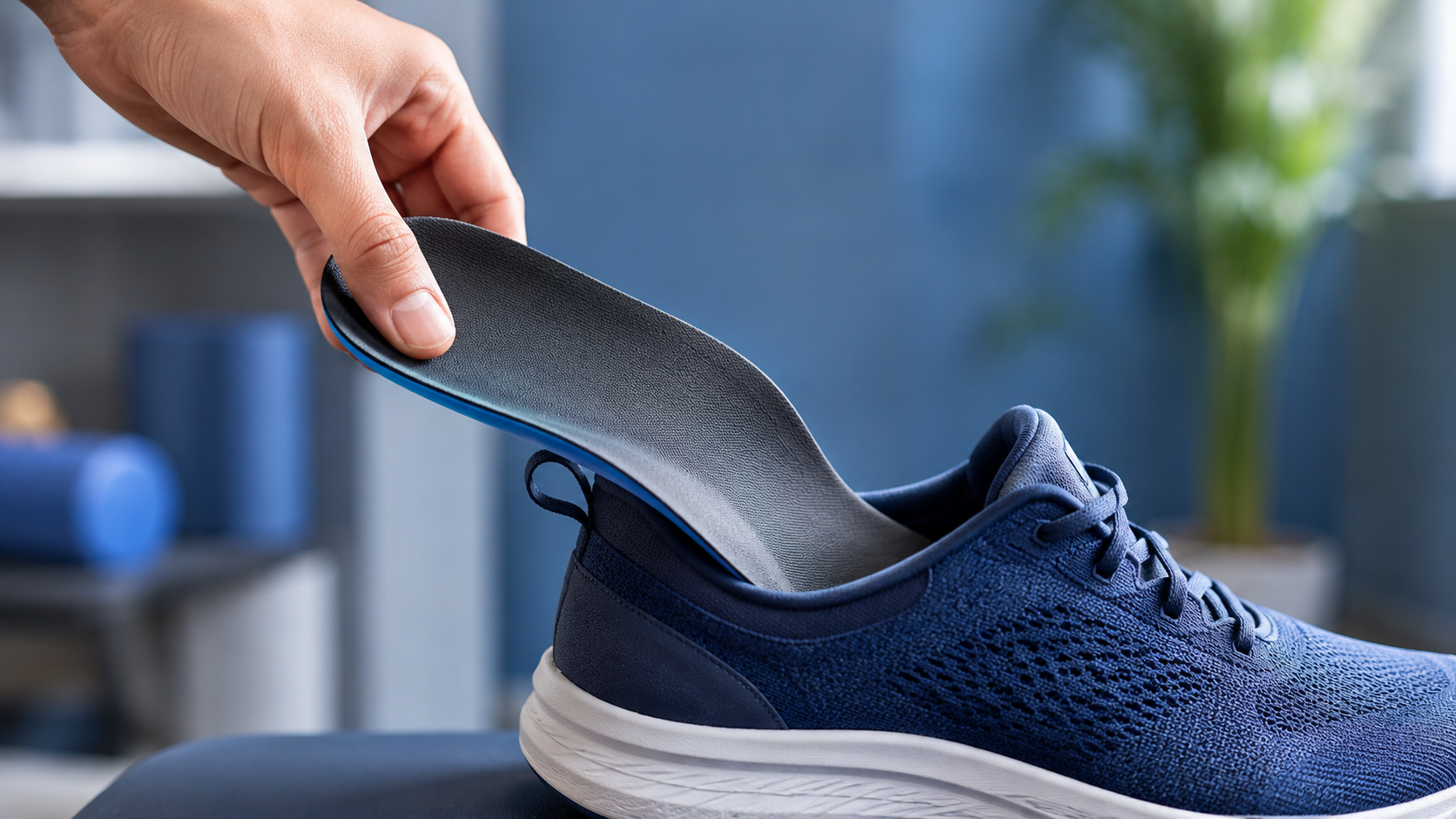
A practical support guide
Custom orthotics are not just for “flat feet”
Foot support can matter for people who walk a lot, stand on hard floors, run, work long shifts, wear out shoes unevenly, or deal with recurring foot, ankle, knee, hip, or low back symptoms. Orthotics are not magic, and they are not for everyone. They are one tool that can help when foot mechanics are part of the pattern.
Realistic expectations
A good orthotic plan should answer more than “Do I need inserts?”
The better question is: are your feet contributing to the way your body handles load? At Balanced Chiropractic, we look at symptoms, footwear, standing tolerance, walking mechanics, lower-body movement, and whether custom support makes sense as part of a bigger conservative plan.
- Foot support: arch support, heel comfort, pressure distribution, and standing tolerance.
- Lower-body mechanics: how the feet may influence ankles, knees, hips, and low back.
- Activity fit: walking, running, work shoes, daily shoes, and sport-specific demands.
- Break-in plan: gradual wear time instead of forcing all-day use immediately.
- Follow-through: shoe advice, symptom tracking, and care adjustments when needed.
Who this resource helps
Which orthotics pattern sounds most like you?
These are common reasons people start asking about custom orthotics. Your evaluation helps decide whether foot support, shoe changes, mobility work, strengthening, chiropractic care, or another step makes the most sense.
Your feet, knees, hips, or back ache by the end of the shift
Concrete floors, long hours, worn shoes, and repeated standing can make small support problems feel much bigger by the end of the day.
Pain shows up after mileage, pace changes, or new shoes
Training load, shoe fit, foot mechanics, calf mobility, and hip control can all influence recurring running or walking symptoms.
Your knee or hip pain keeps returning with stairs or walking
The painful joint matters, but the foot and ankle can affect how force travels through the lower body.
Your low back feels worse after standing or walking
Low back symptoms can have many causes, but foot mechanics and standing posture can be part of the larger load pattern.
Comparison guide
Custom orthotics vs. over-the-counter inserts
Over-the-counter inserts can be a reasonable starting point for simple comfort or mild support. Custom orthotics may be more appropriate when symptoms are recurring, mechanics are more specific, or the support needs to match your feet, shoes, work, and activity demands more closely.
OTC inserts may be enough when…
You mainly want general cushioning, mild arch support, or short-term comfort and symptoms are not recurring or changing how you move.
Custom orthotics may make sense when…
Pain keeps returning, one side behaves differently, shoe wear is uneven, standing tolerance is poor, or symptoms affect multiple areas.
The real answer depends on the pattern
Foot support should match the person. The evaluation helps decide whether orthotics are the main solution or just one piece.
Break-in schedule
New orthotics should be introduced gradually
Most people should not jump straight into all-day wear in a brand-new pair of orthotics. A gradual break-in helps your feet, legs, and body adapt while you monitor pressure points, soreness, and symptom response.
- Start with shorter wear periods.
- Use supportive shoes with enough room.
- Watch for pressure points or rubbing.
- Increase wear time gradually as tolerated.
- Do not ignore sharp pain, numbness, or worsening symptoms.
Resource hub
Explore foot support, pain patterns, and lower-body mechanics
Use these pages to understand when foot support may matter, how symptoms can travel up the chain, and what conservative care options are available.
For local shoe, wellness, and employer partners
A shareable orthotics resource for people on their feet
This page can be shared with walkers, runners, teachers, factory workers, healthcare workers, retail teams, local shoe partners, youth sports families, and anyone comparing foot support options. It is designed as a practical education resource, not a sales pitch.
When to get checked
Some foot and lower-body symptoms should not be ignored
A little tiredness after a long day is one thing. Recurring pain, swelling, numbness, limping, and symptoms that change how you move deserve more attention.
- Foot pain that keeps returning.
- Ankle, knee, hip, or back pain that worsens with standing or walking.
- Numbness, tingling, burning, or weakness.
- Swelling, redness, warmth, or sudden severe pain.
- New pain after trauma, fall, or twist.
- Limping or avoiding normal steps.
FAQs
Custom Orthotics FAQs
Clear answers about custom orthotics, foot support, shoe fit, break-in time, and lower-body mechanics.
What is the Custom Orthotics Resource Center?
Who might benefit from custom orthotics?
Are custom orthotics better than over-the-counter inserts?
Do custom orthotics help knee, hip, or low back pain?
How long does it take to get used to custom orthotics?
Are custom orthotics only for runners?
Do I need new shoes with custom orthotics?
Can Balanced Chiropractic work with local shoe or wellness partners?
How do I know if I need custom orthotics?
Wondering if custom orthotics make sense for you?
Balanced Chiropractic can help you understand whether foot mechanics, shoe support, walking patterns, or standing load may be contributing to your symptoms — and whether custom orthotics belong in your plan.